Trauma Sensitive Yoga
Join HOW Yoga teacher Marysa Manning (E-RYT 200/RYT 500, TCTSY-F) for Trauma Sensitive Yoga group series and drop in sessions.
Trauma Sensitive Yoga 6 Week Group Series
Enrollment currently closed.
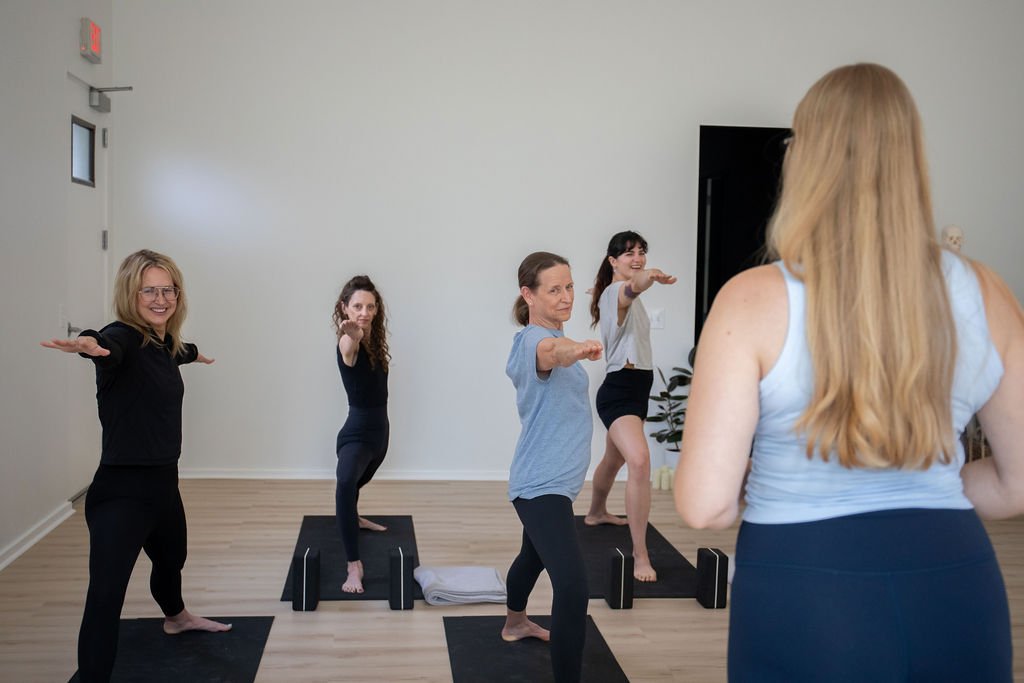
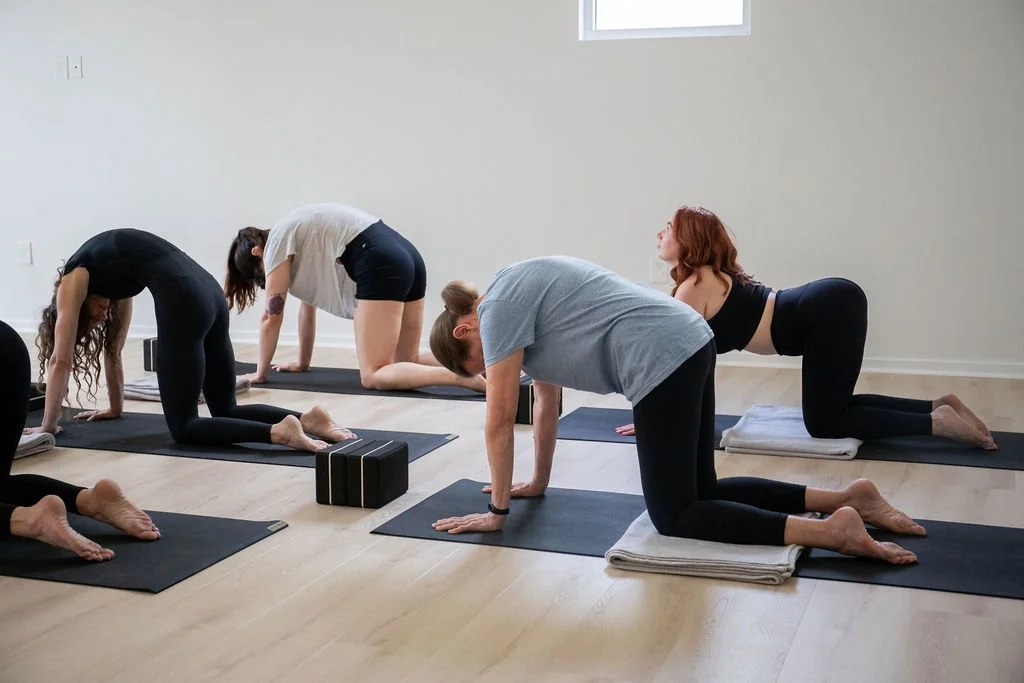
TCTSY Trauma Sensitive Yoga is a body-based therapeutic treatment for post traumatic stress and complex trauma that uses gentle yoga shapes and a focus on choice-making to invite you to connect to your body on your terms. Each session will include a brief optional check-in, 35-40 minutes of movement, and optional sharing and discussion time. No prior yoga experience necessary.
All students joining a Trauma Sensitive Yoga series for the first time will need to schedule a virtual intake meeting with Marysa before registering for the series.
Series registration price:
$150 for non-members; $120 for members
FAQs
-
TCTSY is a way of practicing Hatha yoga that was developed over years of research with and alongside trauma survivors at the Trauma Center outside of Boston, MA. TCTSY is based in foundational frameworks of trauma theory, attachment theory, neuroscience, intersectionality, and key principles from yoga philosophy. TCTSY facilitators receive over 300 hours of training in these frameworks.
In TCTSY, we use movement, awareness, invitational language, and choice to practice reconnecting to our bodies in a gradual, self-directed way.
-
TCTSY comes from a tradition called Hatha yoga. Unlike some other Hatha yoga practices, TCTSY doesn’t focus on building strength, directing energy, or working through specific sequences or patterns of movement. TCTSY’s focus is on helping an individual feel connected to their body, on their own terms. For this reason, we don’t talk very much about alignment in TCTSY - we want practitioners to feel connected first, before thinking about adjustments to shapes. We also don’t hold shapes for an extended period of time the way we might in Yin yoga or restorative yoga practices.
-
There are a variety of trauma sensitive yoga options available now, and we think that’s great! TCTSY is designed as a supportive therapeutic treatment for trauma and is considered evidence-based, which means that TCTSY has been tested with trauma survivors and has been shown to reduce their trauma symptoms. All TCTSY facilitators have undergone advanced training in trauma theory, attachment theory, neuroscience, and best practices for working with trauma survivors.
TCTSY is also not prescriptive. This means that in TCTSY we don’t assume that any one yoga shape will be more helpful than another. You won’t hear us say something like, “this shape will help you release your stuck emotions,” or “this shape will help your insomnia,” or “here is a yoga sequence for your anxiety.” We believe that everyone’s experiences are different, and everyone’s body holds its own unique map of experiences and resources. Your yoga practice is a space that can allow you to find out for yourself what shapes or sequences support you. This process of self-discovery is part of the healing power of yoga.
-
At Listening First Yoga, we use accessible yoga movements, awareness, invitational language, and choice to practice reconnecting to our bodies in a gradual, self-directed way. Everything is optional: how you move, where you rest your attention, and whether you participate in the practice at all. Our classes seek to reduce triggers while providing a space to gradually build awareness and empower choice. We’re focused on helping you choose how you want to move (or not move) and how you want to feel. This means we use invitational language with every cue. We don’t move around the room; in fact, the facilitator practices with you, as we all share our own unique practice experience together. There are no assists (touching) in our classes.
-
Group practices are scheduled for 60 minutes. We will check in for about five minutes at the start of class. We’ll practice for 30-40 minutes, and then we’ll have time at the end of class for grounding and sharing feedback. Individual sessions can last for 30 minutes or 60 minutes - your choice.
-
Yes! We use accessible yoga forms, and practices are tailored to the people in the group. You don’t need any past yoga experience to practice. We do recommend beginning with a TCTSY or Trauma-Sensitive Mindful Flow practice. Your facilitator will speak with you about any physical needs you may have for your practice and adjust accordingly.
-
Yoga practices are not psychotherapy. We don’t verbally process (talk through) our trauma experiences here. This a space to practice connecting to ourselves and our resilience, which can support our healing. Many practitioners do find it useful to be in counseling, psychotherapy or another supportive treatment to allow space for verbal processing. You never have to share details about your story here.
-
Yoga practices are not psychotherapy, and your facilitator is not a clinician. While being in therapy is not a requirement to practice, it is strongly recommended that you have a therapist, counselor, support group, or other support system in place.
-
While our practices seek to reduce triggers, in any body-based practice, triggers or activation may happen. Our facilitators actively hold space, attuning to what's happening for participants and adjusting how the practice is guided based on what they notice. You're welcome to care for yourself in your practice by making choices that support your needs, including (but definitely not limited to) voicing your needs out loud, being still, choosing another shape or movement, leaving the practice room for a break (or for the day!), or talking to the facilitator, a friend, or your support system after class
-
Yes! This practice is open to anyone who feels this style of yoga is supportive to them.
-
We ask that new clients have a brief phone, Zoom, or text consultation with your facilitator before your first practice. This is a chance for us to chat about your goals, answer any questions you have, and provide connections to other resources that you may find helpful.